
laminated glass storm windows
Understanding 3-Way Gate Valves A Comprehensive Overview In various industrial applications, the need for effective fluid control and management is paramount. Among the numerous types of valves used in piping systems, the 3-way gate valve stands out for its unique functionality and versatility. This article aims to provide a comprehensive understanding of the 3-way gate valve, its applications, advantages, and operational principles. What is a 3-Way Gate Valve? A 3-way gate valve is a type of valve that enables the control of fluid flow in three different directions. It features a robust gate mechanism, which is designed to open and close to either allow or block the flow of liquids or gases. Typically constructed from materials like stainless steel, brass, or cast iron, these valves are designed to withstand high pressures and temperatures, making them suitable for demanding industrial environments. Design and Structure The design of a 3-way gate valve includes three ports one inlet and two outlets, or vice versa, depending on the fluid flow requirements. The valve operates by either lifting or lowering a gate that fits snugly within the valve body. This mechanism allows for a straight flow path when the valve is fully opened, minimizing turbulence and pressure loss. In contrast to other valve types, the 3-way design is particularly beneficial in applications requiring the redirection of flow or the mixing of different fluid streams. Applications 3-way gate valves find their applications in a variety of areas, including 1. Water Treatment Facilities They are often used to control flow directions in treatment plants, ensuring optimal water quality and distribution. 2. Oil and Gas Operations In the extraction and transportation of hydrocarbons, these valves manage the flow between different pipelines and storage tanks. 3 . Chemical Processing The ability to control and redirect aggressive chemicals safely makes 3-way gate valves essential in chemical manufacturing settings. 3 way gate valve 4. HVAC Systems In heating, ventilation, and air conditioning systems, they help regulate and redirect airflow efficiently. Advantages of 3-Way Gate Valves The implementation of a 3-way gate valve in industrial systems offers a multitude of advantages 1. Versatility The ability to direct flow through multiple channels allows for greater flexibility in system design. 2. Reduced Pressure Drops When fully opened, the gate mechanism minimizes resistance to flow, resulting in lower pressure drops compared to other valve types. 3. Simplified Maintenance 3-way gate valves generally require less maintenance due to their straightforward design, leading to reduced downtime in industrial operations. 4. Durability Constructed from robust materials, these valves can withstand harsh operating conditions, ensuring a long service life. Operational Principles The operation of a 3-way gate valve is relatively simple. When the actuator (manual or automated) rotates or moves the valve stem, the gate rises or falls. For switching the flow direction, the valve can be turned to an intermediary position, allowing flow through one outlet while blocking the other. This ability to regulate multiple paths is particularly beneficial in systems where efficiency and directionality are crucial. Conclusion 3-way gate valves represent a crucial component in the realm of fluid control and management across numerous industries. Their unique design, combined with the ability to manage flow in multiple directions, provides significant advantages over traditional gate valves. As industries continue to evolve, the demand for efficient and reliable valve systems, including 3-way gate valves, will likely increase. Understanding their operation, applications, and benefits is essential for engineers and operators tasked with designing and maintaining fluid systems that meet stringent performance criteria. In summary, the 3-way gate valve is not just a mechanical device, but a pivotal element that enhances operational efficiency and safety in various industrial processes.
about
laminated glass storm windows
How to Close the Water Valve A Step-by-Step Guide Closing a water valve is a crucial skill for homeowners and renters alike. Whether you are tackling a plumbing issue, preparing for maintenance, or simply trying to conserve water, knowing how to properly shut off your water supply is essential. This article will guide you through the steps necessary to close a water valve safely and effectively. Why You Might Need to Close the Water Valve There are several scenarios in which you may need to close your water valve. Common reasons include 1. Plumbing Repairs If you are fixing a leaky faucet, changing out a toilet, or repairing pipes, it’s important to close the valve to prevent water from flowing and creating a mess. 2. Emergencies In the event of a burst pipe or severe leak, turning off the water can help minimize damage to your home. 3. Seasonal Maintenance For those living in colder climates, it may be necessary to shut off the water to outdoor faucets to prevent freezing and cracking during winter. Identifying Your Water Valves Before you can close a water valve, you need to know where they are located. There are usually two types of valves in a typical household 1. Main Shut-off Valve This valve controls the water supply to your entire home. It is typically located near the water meter or where the main water line enters your house. 2. Individual Shut-off Valves These valves control the water supply to specific fixtures, such as sinks, toilets, and appliances. They are usually located close to the fixture they serve. Step-by-Step Instructions to Close the Water Valve Now that you are familiar with the types of valves, here is how to close them how to close the water valve 1. Gather Necessary Tools You may not need any tools for most valves since they can often be operated by hand. However, having a wrench or pliers nearby can be helpful for more stubborn valves. 2. Locate the Valve Find the appropriate valve that you need to close. If it's the main shut-off valve, look for a round wheel or a lever. For individual fixtures, check under the sink, behind the toilet, or near appliances. 3. Turn Off the Valve - For a Round Wheel Valve Turn the handle clockwise (right) to close it. You may need to use some force if it hasn’t been turned in a while. - For a Lever Valve Switch the lever 90 degrees to the right (or perpendicular to the pipe) to shut off the water. 4. Test the Valve Once closed, turn on a faucet connected to the same line to check if water is still running. If it stops, you've successfully closed the valve. 5. Address Any Issues If the valve is leaking or difficult to turn, you may need to consult a plumber to avoid any complications. Do not force a valve that is stuck, as this could cause damage. Conclusion Knowing how to close the water valve is an important home maintenance skill. Whether you are performing repairs, tackling leaks, or mobilizing for seasonal changes, securely shutting off your water supply helps protect your property, save water, and mitigate potential damage. Always remember to check your valves periodically to ensure they remain in good working condition. With these steps, you will be well-equipped to manage your water supply efficiently.
-

High quality industrial productsagement

High quality industrial products
View Details -

Meet the diverse needs of customers

Meet the diverse needs of customers
View Details -

Strict quality control

Strict quality control
View Details -

Top raw materials

Top raw materials
View Details -

Trusted supplier

Trusted supplier
View Details
Our application


news and information
Versatile animal repellent device for effective pest control in various settings.
A multifunctional animal repeller is a device that is designed to keep unwanted animals away from yo
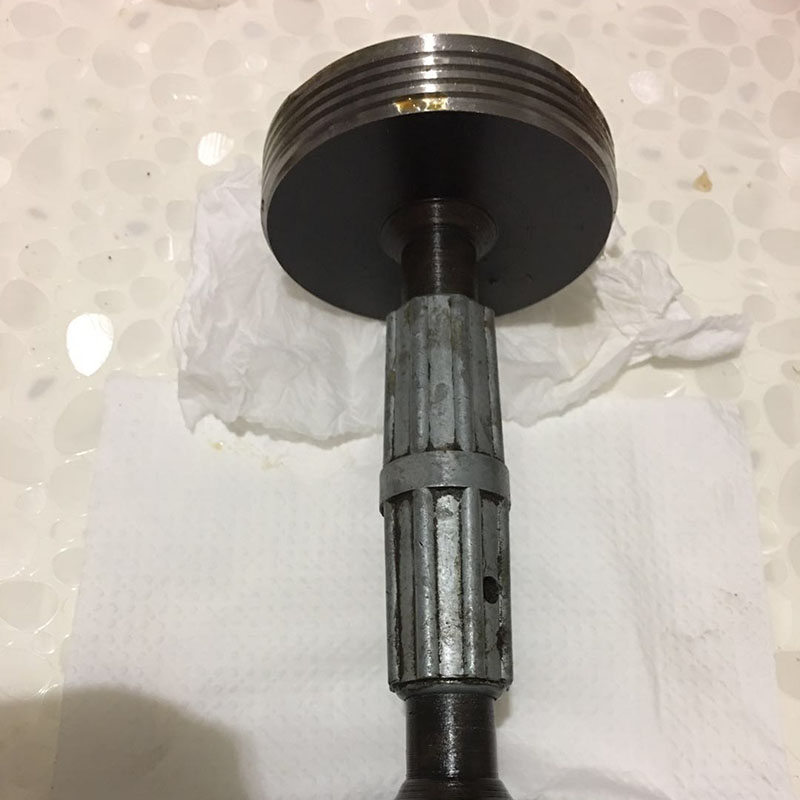
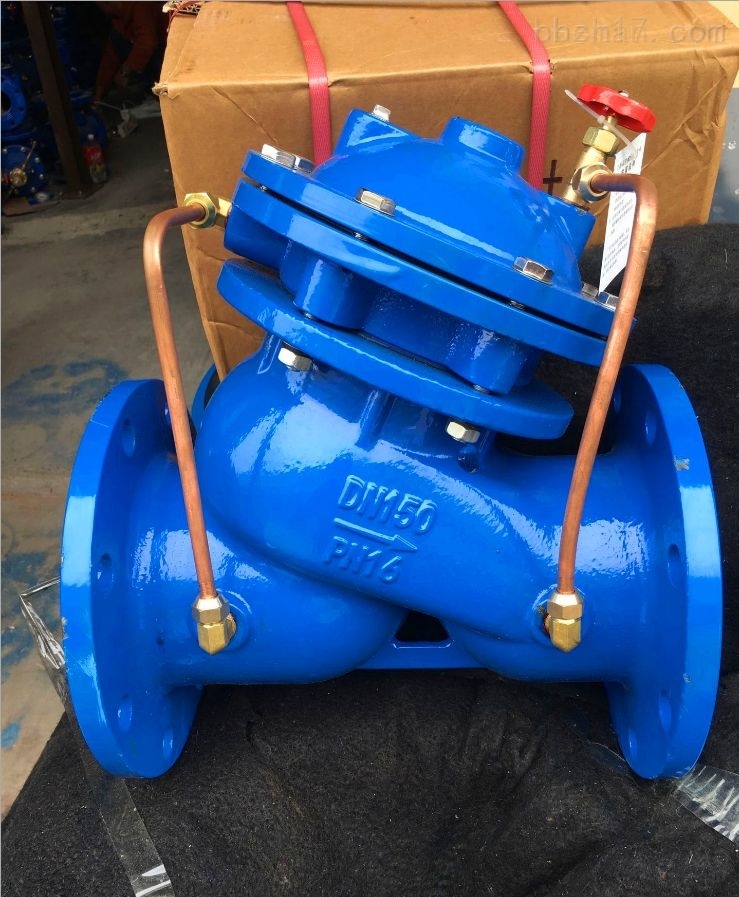
Water Control Valve - Precision Flow Management Solutions
Understanding Water Control Valves A Key Component in Fluid Management Water control valves are esse
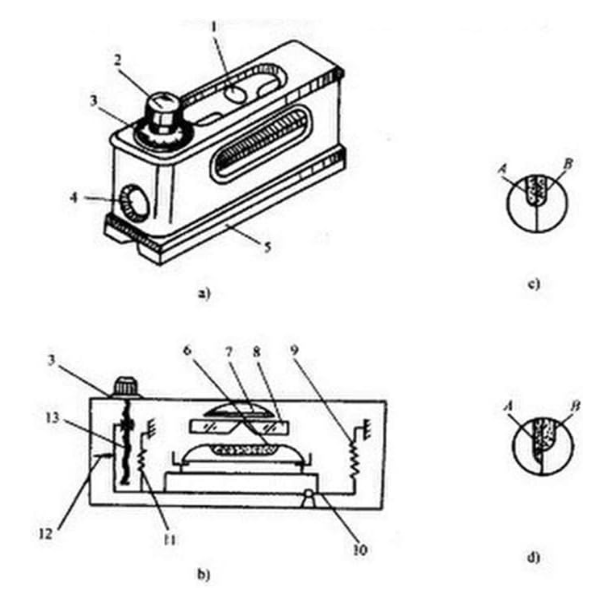
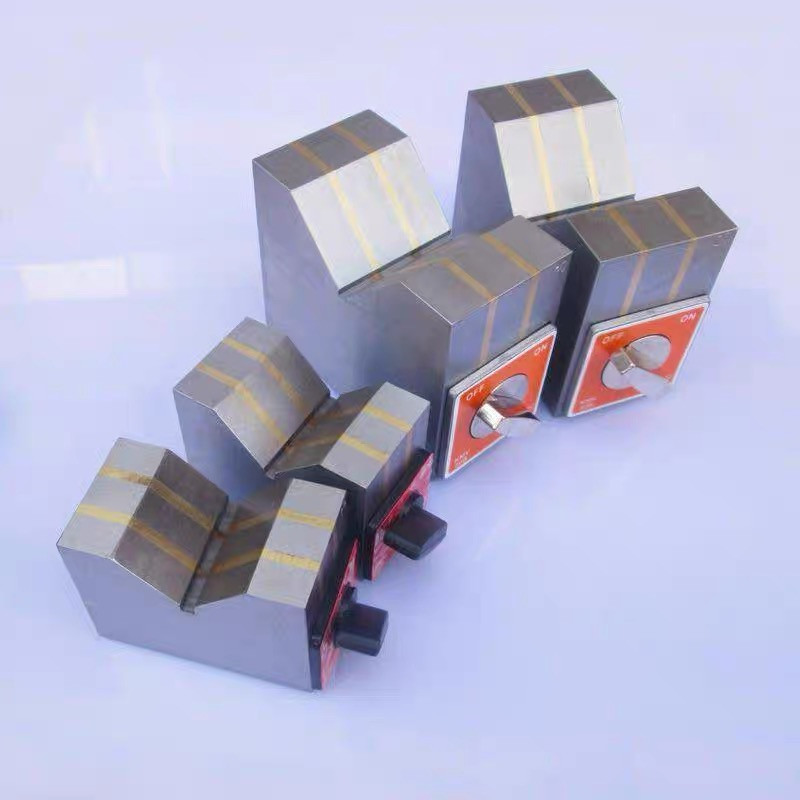
vee blocks for sale
VEE Blocks for Sale The Future of Sustainable Building Solutions In the contemporary era of construc
 English